
Propolis to Repair and Protect Your Body
(Available in 50ml and 20ml)
What is Propolis?
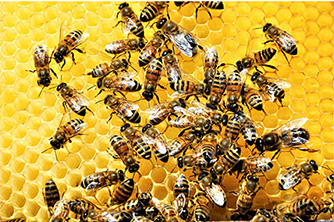
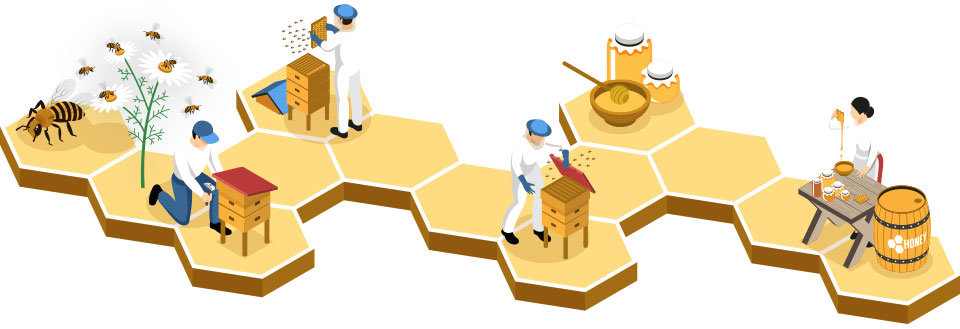
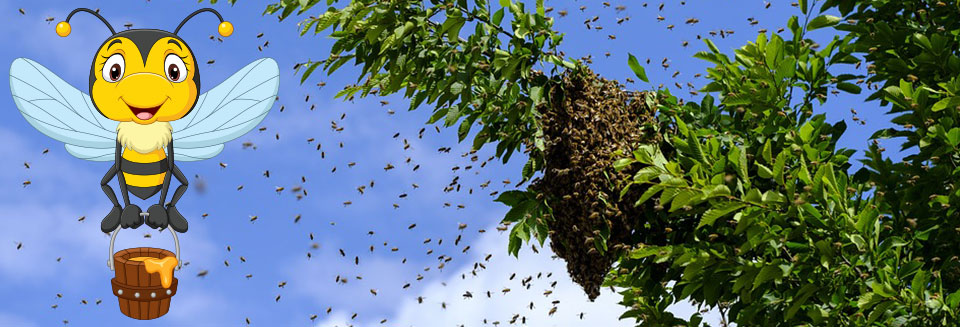
Propolis is a dark sticky gum-type substance which bees use for home maintenance. They collect it from plant secretions, sap, resins, and gums which are naturally found in the buds and leaves of flowers, shrubs, and trees. When out foraging, they collect the resin which is in liquid form and store it in their pollen sacs
When back at the hive, other bees remove these resins from the foraging bee’s hind legs. They combine it with their own discharges and beeswax, creating a sticky, greenish-brown product now becoming propolis. Propolis is said to have great antibacterial, antiviral, antifungal, and anti-inflammatory properties for humans.
The Worker Bee Journey and Propolis
Collection of Sap From Plants
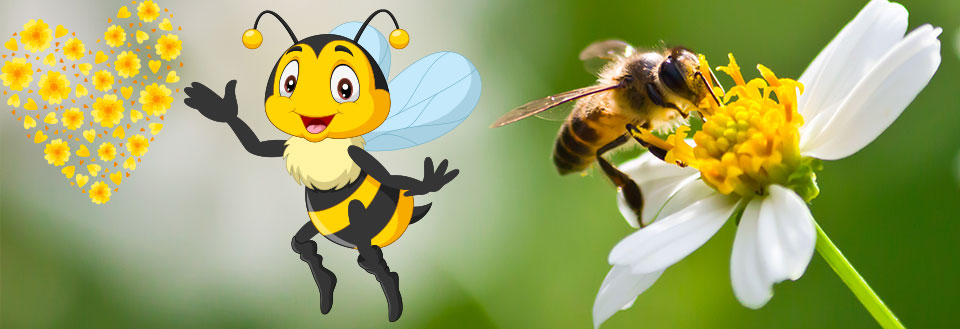
They collect Propolis from plant secretions, sap, resins, and gums which are naturally found in the buds and leaves of flowers, shrubs, and trees. When out foraging, they collect the resin which is in liquid form, and store it in their pollen sacs.
Packing the Propolis in the Hive
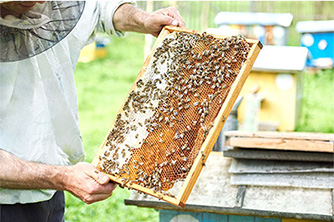
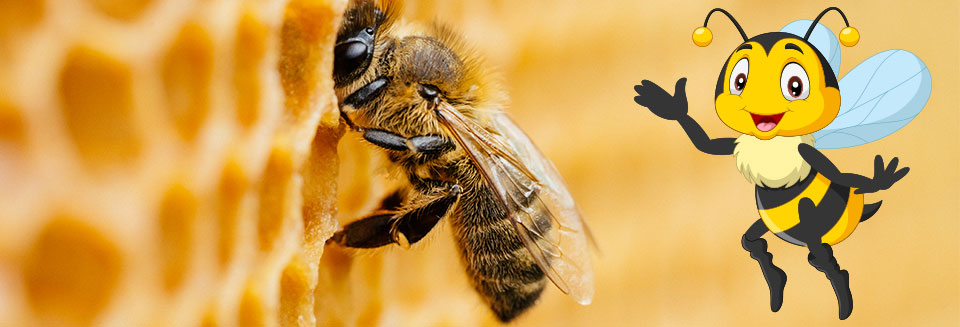
By using their tongues, they start packing the propolis throughout the hive, sealing any cracks or openings. When any part of the hive becomes worn or loose, the bees will use the propolis to cement it back.
Control Heating in the Hive
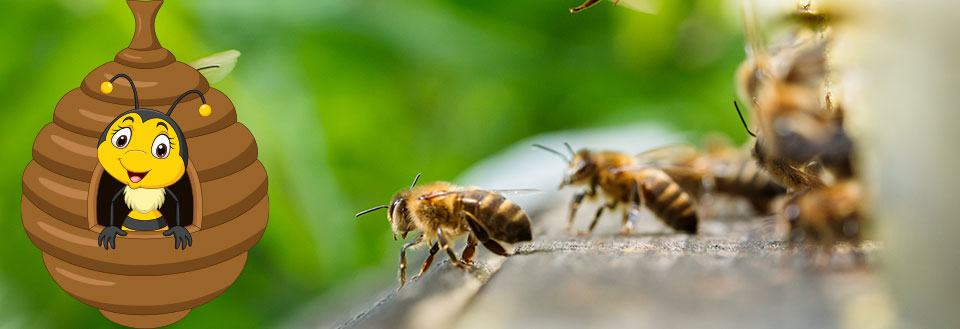
During winter they will use it to narrow the hive entrance when it gets too big to control the heating in the hive. They open it up in summer by chewing away the excess propolis.
Anti-bacterial Properties of Propolis
In the wild, bees will use propolis to cover the outer sides of the comb area to protect the comb. They will also cover decaying insects and small rodents which have penetrated the colony’s space with a layer of propolis to avoid bacterial contamination within the hive.
Made with Love For You
Propolis Has Medical Value for Humans
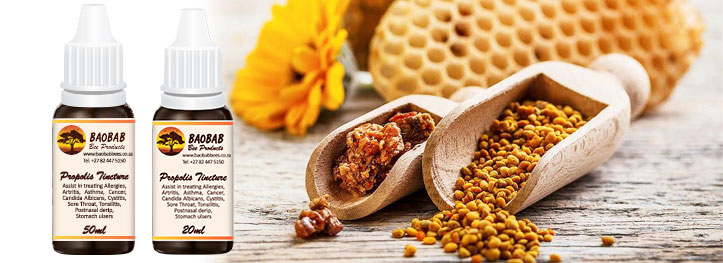
Propolis has been commercially rendered into lotions, creams, tablets, and “propolis tincture” as a homeopathic remedy. Scientists have identified over 300 compounds in propolis. Most of these compounds are forms of polyphenols. Polyphenols are antioxidants that fight disease and damage in the body. These polyphenols called flavonoids are produced in plants as a form of protection
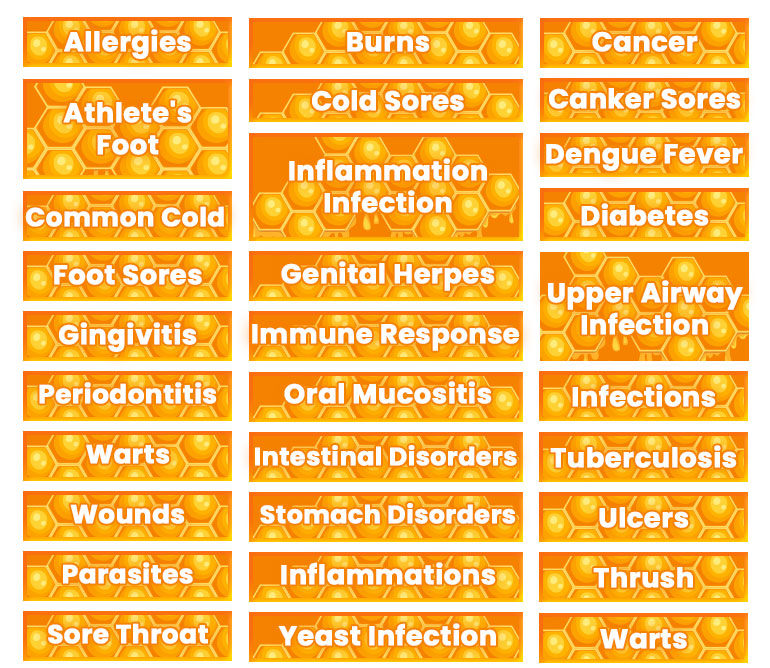
Propolis is thought to have antibacterial, antiviral, antifungal, and anti-inflammatory properties. Researchers are not exactly sure why, but the bee product appears to provide protection from some bacteria, viruses, and fungi.
Special Precautions
- If you are allergic to bees or bee products, have Asthma, bleeding conditions, are pregnant, or going for surgery soon please check with your doctor before using Propolis products and what your dosage intake should be.
- The recommended internal dose of bee propolis is typically 500 milligrams once or twice daily. Creams or ointments containing propolis 0.5% or 3% is applied to the lips 5 times per day at the start of cold sore symptoms.
- 5 ml of 30% propolis mouth rinse for 60 seconds three times daily for 7 days has been used. 10 ml of a mouth wash has been used as a gargle 3 times daily in addition to chlorhexidine mouthwash and fluconazole for 14 days. Propolis 2% to 3% (extract EPP-AF) has been applied to dentures 3-4 times daily for 7-14 days.
Propolis Uses and Prevention
Propolis has many uses and effectiveness to protect against bacteria, viruses, and fungi.
- It can be used as a daily mouth rinse
- Also used as a drop into your mouth
- It can be applied to the skin directly
100% Organic Bee Products
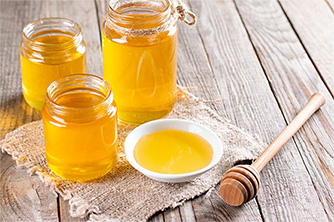
Our honey is taken directly from the hive, triple-strained to remove any impurities without removing pollen, minerals, or enzymes. It has not been heated during the process.